Does your Solar Inverter keep shutting down?
A solar inverter that keeps switching off can be frustrating. You might see it power back up, only for it to shut down again, sometimes without warning. Because the inverter is the heart of your solar system, any downtime means lost energy production and reduced savings.
The good news? Many inverter shutdowns are caused by common issues that can be identified and fixed with the right approach. Below, we’ll cover the most frequent causes, what you can check yourself, and when it’s time to call in the professionals.
Why Inverters Shut Down
Your inverter’s job is to convert the DC electricity from your solar panels into AC power for your home. If it stops working, your solar system can’t supply usable power. Most shutdowns are safety-related, designed to protect the system from damage. Common causes include:
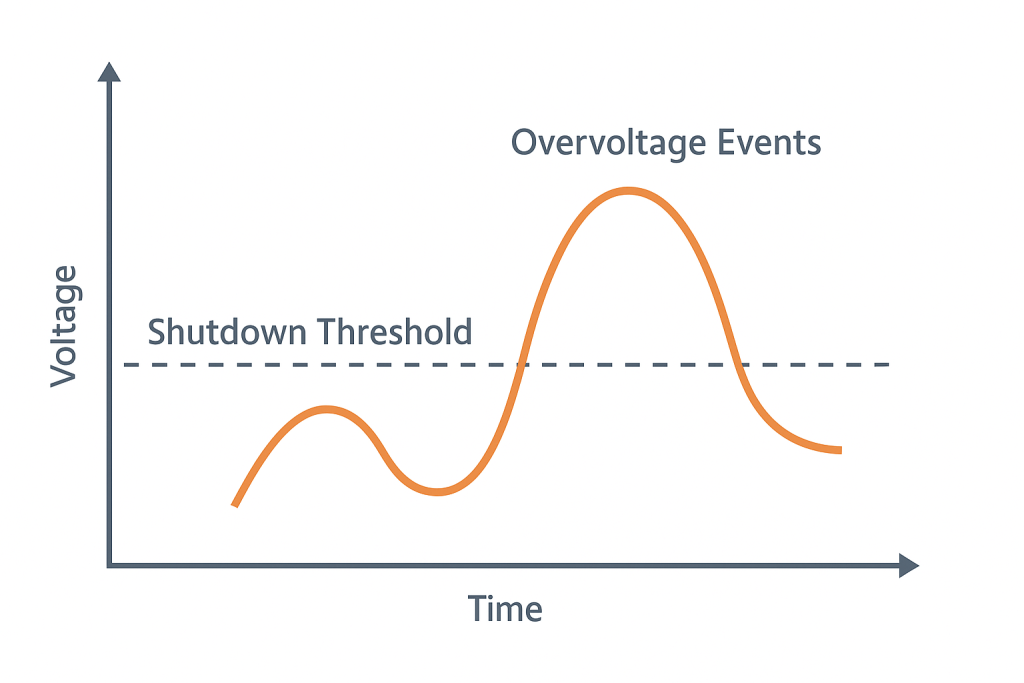
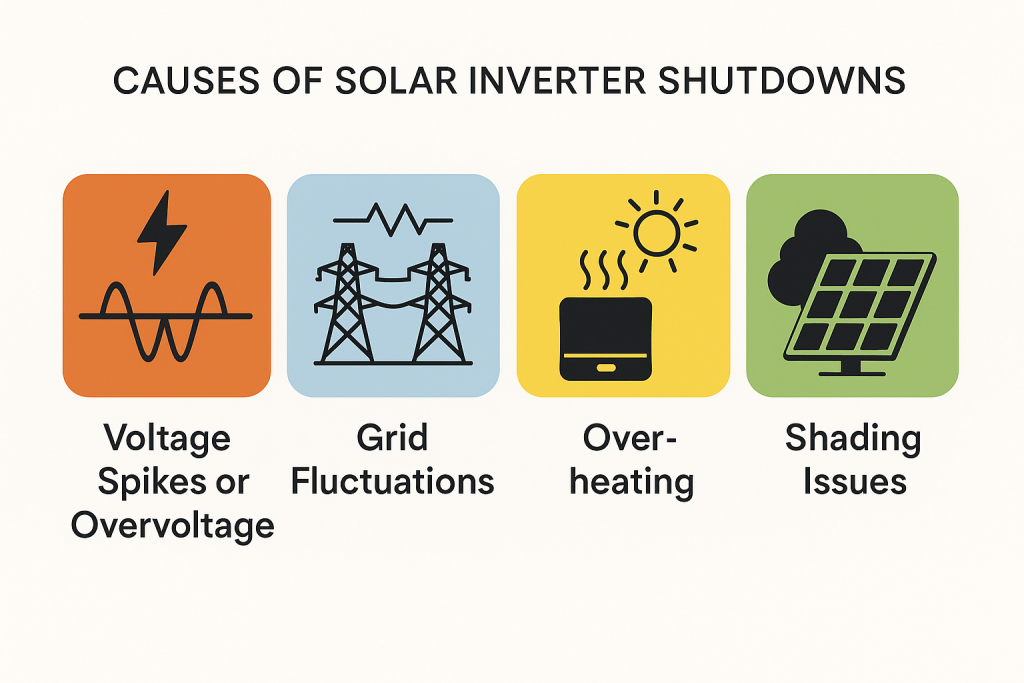
Voltage Spikes or Overvoltage
On very sunny days, excess power flowing back into the grid can push the voltage above your inverter’s safe operating range. To protect itself and the grid, the inverter will disconnect until the voltage drops.
Grid Fluctuations
If the local electricity grid experiences sudden dips or surges, the inverter may shut down automatically as a safety measure. These fluctuations can happen without warning.
Overheating
High temperatures — especially if the inverter is in direct sun or in a poorly ventilated space — can cause it to exceed its temperature limit. Most inverters will switch off until they’ve cooled down.
Shading Issues
Partial shading from trees, buildings, or other obstacles can cause uneven power output from the panels, which may trigger fault conditions in some systems.
Wiring or Connection Problems
Loose cables, corroded connectors, or worn components can interrupt the inverter’s operation and cause repeated shutdowns.
Quick Inverter Troubleshooting Steps
Before you assume the worst, there are a few safe checks you can make:
- Check the inverter display for any error codes and refer to your manual for their meaning.
- Look at the weather — extreme heat or storms can cause temporary shutdowns.
- Inspect airflow — make sure vents are clear and the inverter isn’t boxed in.
- Reset the inverter following the manufacturer’s instructions.
- Look for new shading — a tree that wasn’t a problem last year could now be blocking your panels.
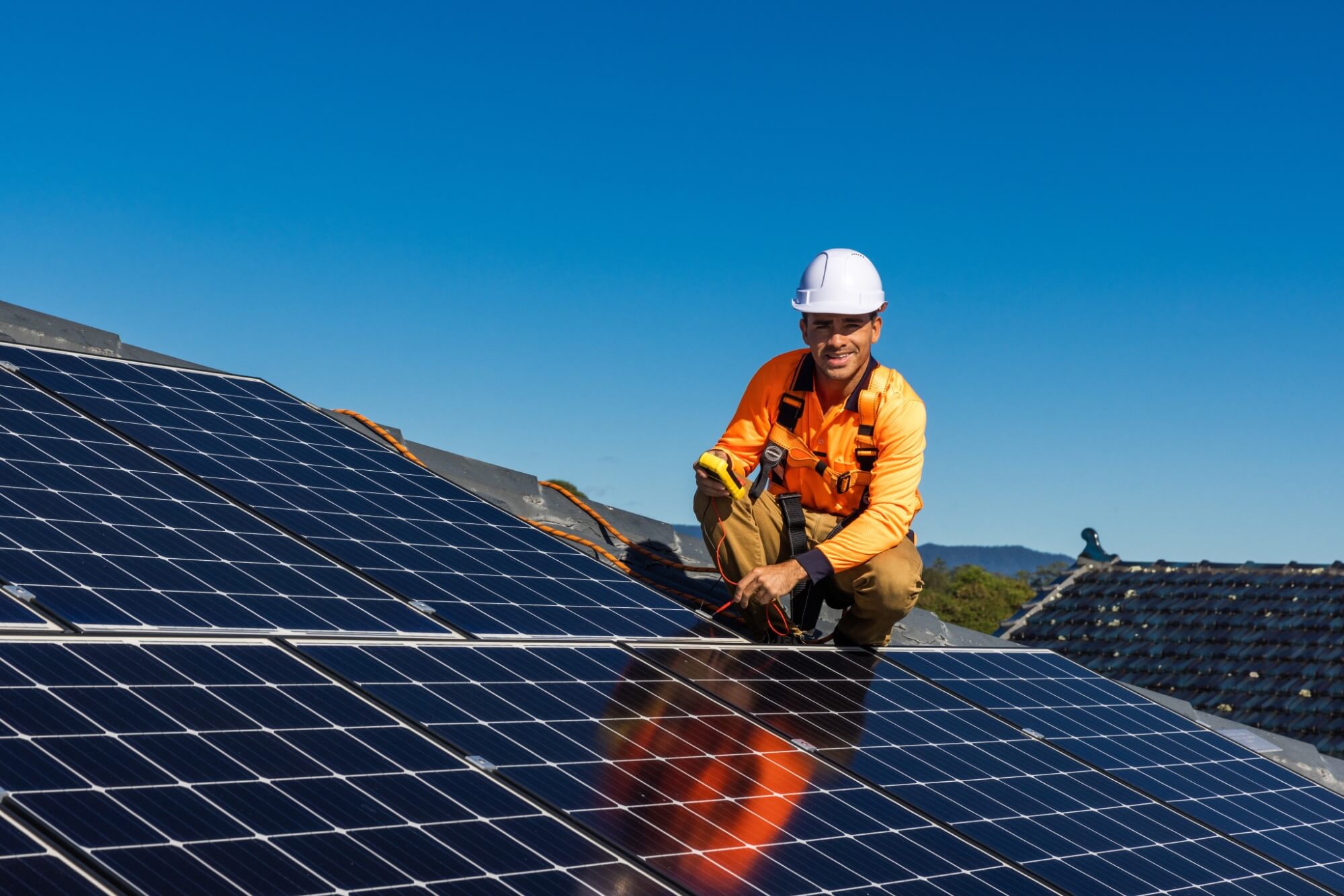
If the problem keeps coming back after these checks, it’s time to bring in a qualified solar technician.
When to Call Solaverse
Some faults can only be identified with specialist equipment. If your inverter:
- Displays persistent error codes
- Shuts down daily or at predictable times
- Trips circuit breakers or fuses
- Shows signs of damage or scorching
then a trained technician should investigate. Inverters deal with live electrical current, and working on them without the right skills is dangerous.
Our team can test your system, check wiring integrity, measure grid voltage compatibility, and update inverter firmware if needed. They’ll also be able to spot early signs of issues that could become expensive repairs later.
Preventing Future Inverter Shutdowns
Keeping your inverter running smoothly isn’t just about reacting to faults — it’s about prevention.
- Schedule annual maintenance to check performance, wiring, and safety settings.
- Keep the inverter cool — ensure shade and good ventilation.
- Trim vegetation that could cause shading.
- Keep the unit clean — dust and debris can block vents and trap heat.
- Stay updated — ask your installer about firmware updates to keep up with grid requirements.
How our Team at Solaverse Can Help
At Solaverse, we help homeowners get the most from their solar systems and that means making sure your inverter stays online. Whether it’s diagnosing shutdowns, upgrading your setup, or fine-tuning performance for your conditions, our team is here to help.
Don’t wait for repeated shutdowns to cost you energy and money.
Contact Solaverse today for expert advice and reliable solutions to keep your solar system running at its best.