Weather and Your Solar Panels: What You Need to Know
Wet weather isn’t the enemy of solar, but it isn’t harmless either. While your panels are built to withstand rain and changing seasons, moisture in the wrong place can slowly chip away at performance. Rain can clean your panels and give them a temporary boost, but heavy downpours, lingering damp, and sticky humidity can also create hidden problems that reduce efficiency over time.
Understanding how these conditions affect your system isn’t about avoiding the weather, it’s about staying one step ahead so your panels keep producing reliable power in every season.
Why Weather Matters More Than You Think
It’s easy to assume solar panels only rely on sunshine, but day-to-day weather conditions shape how well they perform. From rain washing away dirt to humidity sneaking into seals and wiring, even small shifts in the environment can have long-term effects on output. Knowing what to watch for is the best way to protect your system and maximise savings.
Central Coast Climate and Summer Humidity
The Central Coast is a fantastic place for solar, thanks to its steady sunshine across much of the year. But like many coastal regions, it also comes with a mix of warm summers, sticky humidity, and sudden bursts of wet weather.
During summer, humidity levels often rise alongside the heat. That extra moisture in the air can create the perfect conditions for condensation, mould, and gradual corrosion on solar components. Panels may appear fine on the surface, but hidden damp can slowly reduce efficiency if it’s not addressed.
Summer storms add another layer to the challenge. Heavy downpours are often followed by lingering damp and warm air, giving moisture more time to settle around mounts, seals, and wiring. Without regular checks, small issues can build up into bigger problems by the time cooler weather arrives.
For Central Coast homeowners, this doesn’t mean solar isn’t effective, it simply means paying closer attention during the humid months. A quick seasonal service from Solaverse can help protect your system, catch hidden moisture damage, and ensure you keep getting the most from your panels year-round.
The Impact of Rain on Solar Panels
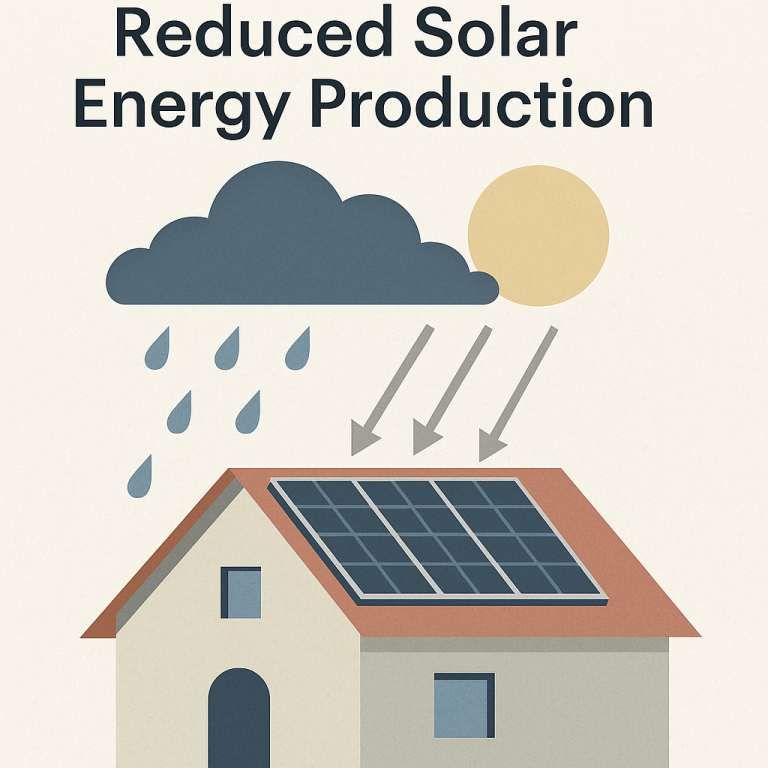
Rain might sound like bad news for solar, but it’s not that simple. Showers actually do your panels a favour by rinsing away dust, pollen, and bird droppings that build up over time. Once the clouds pass, cleaner glass means more sunlight reaches the cells, and you’ll often see a noticeable bump in performance compared to before the rain.
But too much water, or water in the wrong places, can create problems. If panels aren’t angled properly, rain can pool along the edges. Worn seals or cracked cabling may let moisture sneak inside, leading to corrosion, short circuits, or hidden safety risks. Junction boxes and isolator switches are particularly vulnerable if water drips or seeps into them.
The good news is that most of these issues are preventable. By making sure panels are tilted for proper runoff, keeping wiring covered and tidy, and scheduling seasonal check-ups, you’ll catch potential problems before they interrupt your energy supply. Think of it as a quick tune-up after storm season to keep everything running smoothly.
The Hidden Effects of Humidity
Rain makes its presence known, but humidity is the quiet troublemaker. High moisture in the air might not look dramatic, yet over time it can sneak into your system and cause lasting damage. Unlike rain, you won’t see water running off your panels—humidity works invisibly, slowly wearing down components until performance starts to slip.
One of the biggest risks is condensation. When water vapour creeps into panel casings or electrical parts, it can cause corrosion. Rust doesn’t show up overnight, but once it starts, it spreads, and it can quietly eat away at wiring, seals, or even the cells inside your panels.
Other issues linked to humidity include:
- Fogging inside panel glass that blocks sunlight
- Mould forming around brackets and roof connections
- Degradation of plastic or silicone seals, making them brittle
- Moisture reaching outdoor inverters or monitoring equipment
The challenge is that these problems often show up as a slow decline in output rather than obvious damage. Many homeowners mistake it for a cloudy day when in reality, their system is losing efficiency to moisture.
The solution? Regular monitoring and proactive care. Tracking long-term performance trends helps reveal hidden dips, while seasonal inspections from a qualified technician can catch subtle signs before they become bigger failures. A little attention now prevents costly repairs later.
Seasonal Solar Panel Care
Different seasons bring different challenges for your solar system. In autumn and winter, rain tends to linger on panel surfaces for longer, and cooler conditions slow down evaporation. Leaves and debris can also pile up, trapping moisture and creating shade that reduces performance.
A little routine care goes a long way:
- Trim back tree branches that might drop leaves or block sunlight.
- After storms, check for debris or pooled water on and around panels.
- Use your monitoring app to look for unusual dips in production.
- Schedule a seasonal inspection if it’s been more than six months since your last check.
These small habits help stop moisture from building up and extend the life of your system. Think of it as preventive care, catching issues early before they become expensive headaches.
Why Professional Support Matters
Protecting Your Solar Investment
Solar panels are built to endure the outdoors, but rain and humidity still test their limits. Left unchecked, moisture can reduce efficiency, shorten lifespan, and raise your energy costs. By staying alert to the signs, like pooling water, fogging glass, or unexplained drops in performance, you’ll keep your system strong in every season.
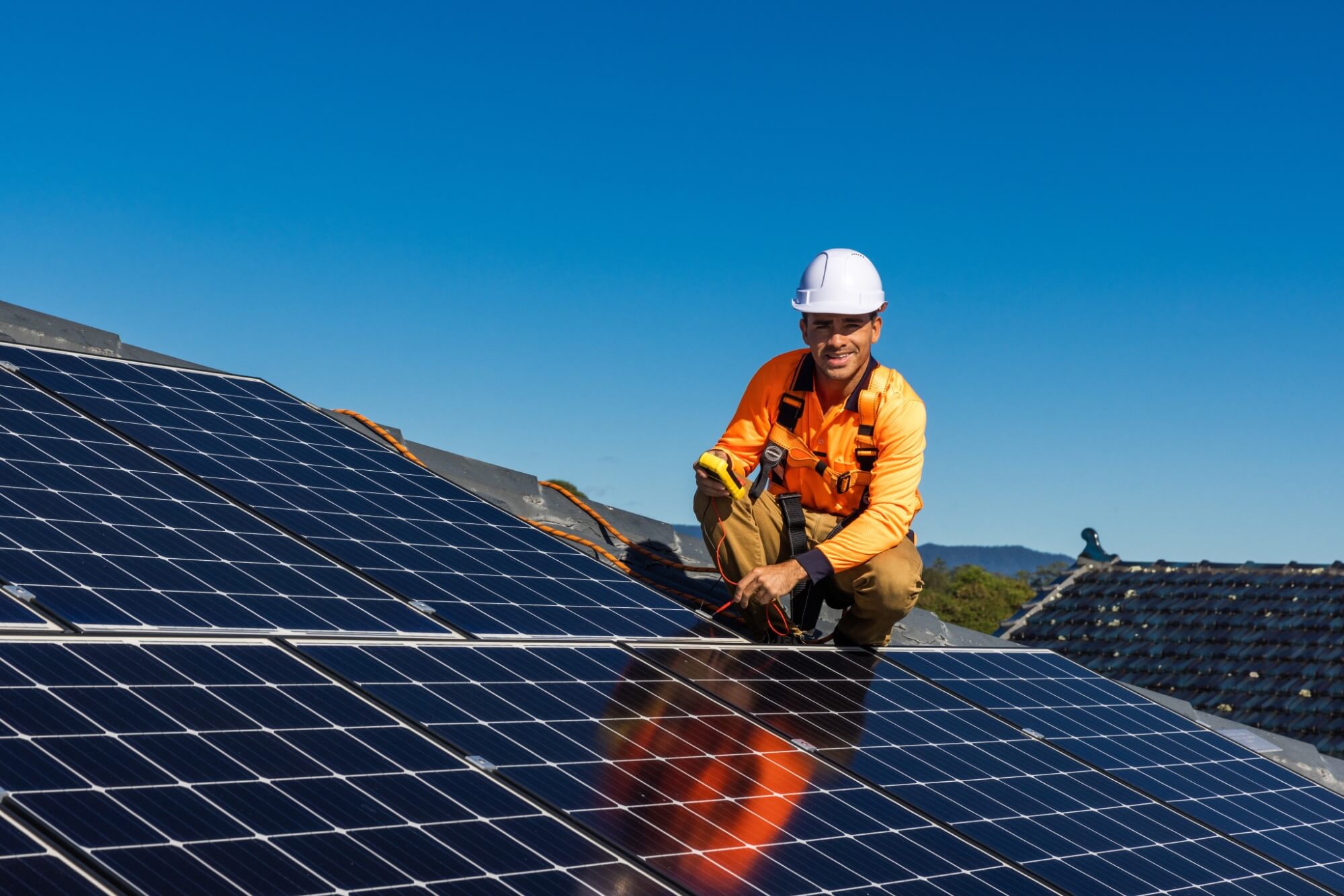
Our team at Solaverse help homeowners stay ahead of these challenges with expert advice, health checks, and ongoing maintenance. A little care now means more reliable energy, bigger savings, and fewer surprises down the track.
Ready to get more from your solar investment?
Contact Solaverse today to discuss installation, performance checks, and system optimisation.