
Store More, Use More: Power Your Home with Solar Battery Storage
As more Central Coast homeowners turn to solar energy to reduce their power bills and gain greater control over household energy use, solar battery storage is becoming the next step in maximising those benefits. A battery system stores excess solar energy generated during the day, so you can use it later — after sunset, during peak pricing periods, or even during a blackout.
Whether you’re adding battery storage to an existing system or installing it alongside residential solar panels, batteries increase solar self-consumption and provide extra energy independence. Instead of sending unused power back to the grid for a small feed-in tariff, you can store it and use it when it’s most valuable.
At Solaverse, we design tailored systems based on your energy usage, lifestyle, and goals. This guide explains how battery storage works, when it makes sense to invest, how to choose the right setup, and which rebates or incentives may be available in NSW.
What Is a Solar Battery and How Does It Work?
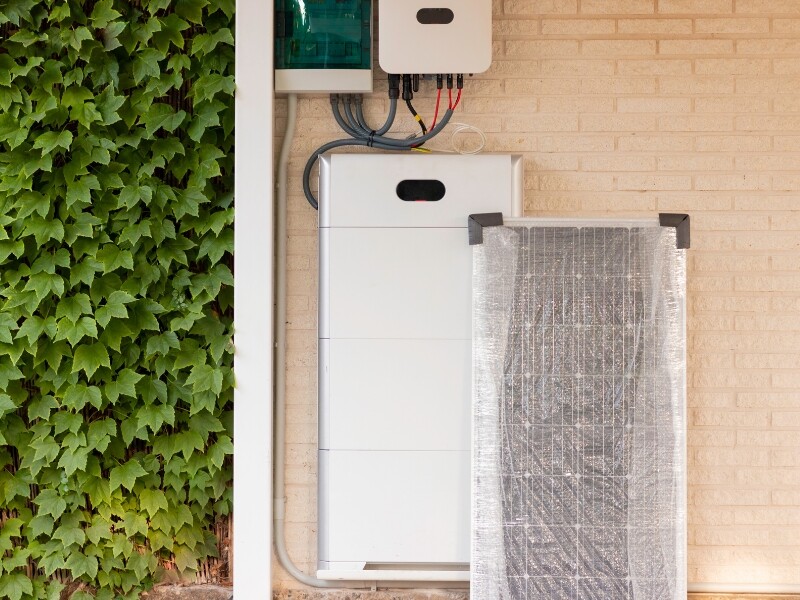
A solar battery stores the excess electricity your panels generate during the day, allowing you to use it later — at night, during peak pricing periods, or when solar production is low. This helps you use more of your own energy and buy less from the grid.
The battery connects to your inverter and charges automatically when you’re producing more than you use. It can also be programmed to discharge during expensive peak times, giving you more control over energy costs.
Battery storage can be installed with a new system or added to an existing one. For a full breakdown of how solar systems work, see our step-by-step guide.
Key points:
- Stores excess solar energy for later use
- Powers your home when the sun isn’t shining
- Reduces reliance on grid power and feed-in tariff dependence
- Works automatically based on your usage patterns or time-of-day pricing
- Can be added to an existing or new solar system
Benefits of Solar Battery Storage
Adding battery storage to your solar system helps you manage how and when you use electricity — increasing energy independence and lowering your reliance on the grid. Instead of drawing power during high-cost periods, you can use stored solar energy when it’s most valuable.
For homes with higher evening energy use or low feed-in tariff rates, batteries allow you to use more of the energy you generate rather than sending it back to the grid. In areas prone to blackouts, backup-enabled systems can also provide power to essential appliances when the grid goes down.
For a deeper look at the advantages, see the full list of solar battery benefits for your home.
- Reduce reliance on the grid and increase energy independence
- Use more of your self-generated solar power
- Avoid peak pricing periods by drawing from stored energy
- Maintain power during outages (with backup-enabled systems)
- Boost long-term return on your solar investment
When Does a Battery Make Sense for Your Home?
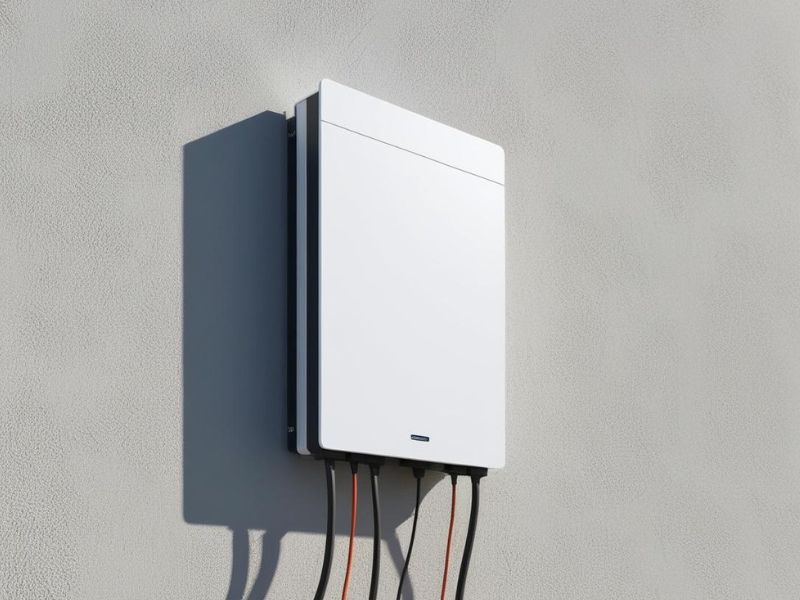
A solar battery isn’t the right fit for every home — but in many cases, it can significantly improve how you manage energy. If your household uses more electricity in the evenings than during the day, storing excess solar for later use can make better financial sense than exporting it for a low feed-in tariff.
Batteries are also ideal if your energy provider charges peak rates at certain times of day. With smart programming, you can automatically switch to stored energy when prices spike, reducing your bills without changing your usage habits. In regional or blackout-prone areas, a battery can be configured to provide backup power to essential circuits when the grid fails.
A properly designed battery system should be based on how your home uses energy — not just the size of your solar setup. Solaverse helps homeowners determine if a battery will deliver meaningful value based on usage patterns, system size, and goals.
Situations where a battery may make sense:
- You use more energy in the evening than during the day
- Your energy provider has peak/off-peak pricing
- You want backup power during grid outages
- Feed-in tariffs in your area are low
- You plan to add high-demand appliances like EV chargers or electric heating
Choosing the Right Battery Size and Setup
Every home uses energy differently — that’s why Solaverse designs tailored battery storage systems based on your daily usage, solar production, and backup needs. Whether you’re after modest storage or aiming for near-total self-sufficiency, we configure a setup that works for today, with room to scale in future.
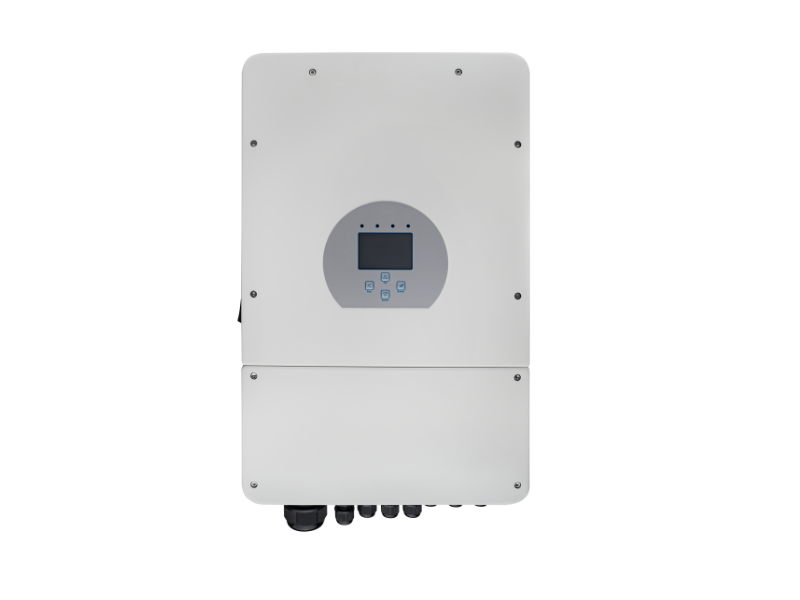
We’ll also help you choose between a hybrid inverter or a separate battery inverter, depending on your property, existing solar setup, and budget. View our products.
Modern battery systems are smart — they can be programmed to charge during off-peak hours, discharge during peak times, or automatically activate during outages.
For a full breakdown of battery sizing, inverter options, and energy management strategies, visit our Battery Size and Setup guide.
Solar Battery Costs and Payback Considerations
Installing a solar battery is a long-term investment that can offer strong financial and energy-use benefits when sized and configured correctly. While costs vary based on system size, brand, and installation requirements, most residential batteries in Australia fall within the $6,000 to $15,000 range.
Payback periods typically sit between 7–12 years, depending on your energy usage, electricity rates, and how effectively the battery is used to avoid peak charges. Battery lifespan also plays a role — most systems come with a 10-year warranty and are designed to perform reliably across thousands of charge cycles.
Savings come not just from storing solar power, but from using it strategically to reduce your reliance on grid electricity. For a full breakdown of pricing, warranties, and return on investment, visit our Solar Battery Costs page.
Government Rebates and Incentives for Solar Batteries
There are a number of government programs designed to support the uptake of solar energy in NSW—though battery-specific incentives are more limited and often change depending on available funding.
NSW-Specific Programs
In the past, programs like the Empowering Homes pilot offered interest-free loans for solar battery systems in eligible NSW households. While that program is currently closed to new applications, it’s worth keeping an eye on similar initiatives that may return or evolve.
Other programs—such as those targeting energy hardship, virtual power plants (VPPs), or regional energy zones—occasionally include battery incentives as part of broader energy-efficiency packages.
**Availability may vary and can depend on income, location, or whether you’re installing a new system versus adding to an existing one.
What About STCs?
Small-scale Technology Certificates (STCs) remain a key part of solar affordability in Australia. While STCs don’t directly apply to batteries, they do reduce the upfront cost of your solar panel system, which can help free up budget for storage.
The number of STCs you receive is based on system size, location, and the deeming period (how many years of clean energy the system is expected to generate).
Store More, Save More
Ready to take the next step towards energy independence? Solaverse can help you make the most of your solar system with a battery solution tailored to your home’s energy needs.
Whether you’re just starting to explore your options or already comparing systems, our team offers a free consultation to guide you through sizing, system setup, and available rebates. We’ll help you understand your potential savings and build a solution that works for your budget and lifestyle.
Get in touch
Receive a free proposal for your home or business today. Let our expertise be your saving—harness the power of the sun with Solaverse.