How to Avoid Common Solar Mistakes
Solar can absolutely reduce your electricity bills, but only when your solar system is designed, installed, and configured correctly for your home and energy usage.
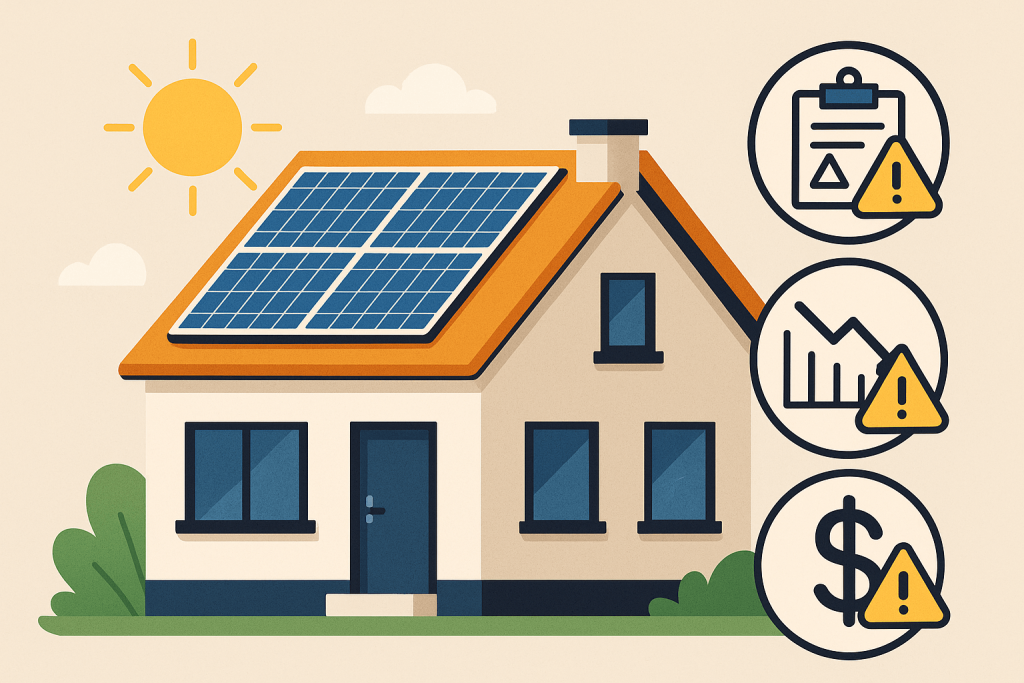
At Solaverse, we regularly speak with homeowners who already have solar panels installed but aren’t seeing the savings or performance they were promised. In most cases, the issue isn’t the solar technology itself, it’s common planning and installation mistakes, such as incorrect system sizing, poor panel placement, unsuitable inverter selection, or not planning for future battery storage.
These early decisions can limit solar output, reduce self-consumption, and increase reliance on grid power over time.
If you’re considering installing solar, or you already have a system and suspect it’s underperforming, understanding these common solar mistakes can help you avoid frustration, wasted money, and missed savings and ensure your solar system actually works for your home, lifestyle, and long-term energy goals.
Mistake #1: Choosing a System Based on Price Alone
Price is usually the first thing people compare and that’s understandable. But solar systems aren’t commodities. Two systems with the same kilowatt size can perform very differently depending on design, components, and installation quality.
Low-cost quotes often rely on:
- Minimal system design time
- Cheaper panels or inverters with weaker warranties
- Little to no allowance for future upgrades
- Installations designed to hit a price point, not maximise output
The real cost of solar isn’t just what you pay upfront, it’s what the system produces over 20–25 years.
How to avoid it:
Look beyond the headline price. Ask what panels and inverter are being used, how the system has been sized, and whether it’s designed around your usage.
Solaverse focus: We prioritise long-term performance, reliability, and value, not quick installs or discount-driven systems.
Mistake #2: Not Understanding Your Energy Usage
One of the most common reasons solar underperforms is that the system wasn’t designed around how the household actually uses power.
For example:
- Homes with high evening usage may export most solar during the day
- Seasonal changes (air conditioning, heating) are often overlooked
- Lifestyle changes like working from home or adding appliances aren’t factored in
Without this context, systems can be undersized, oversized, or simply inefficient.
How to avoid it:
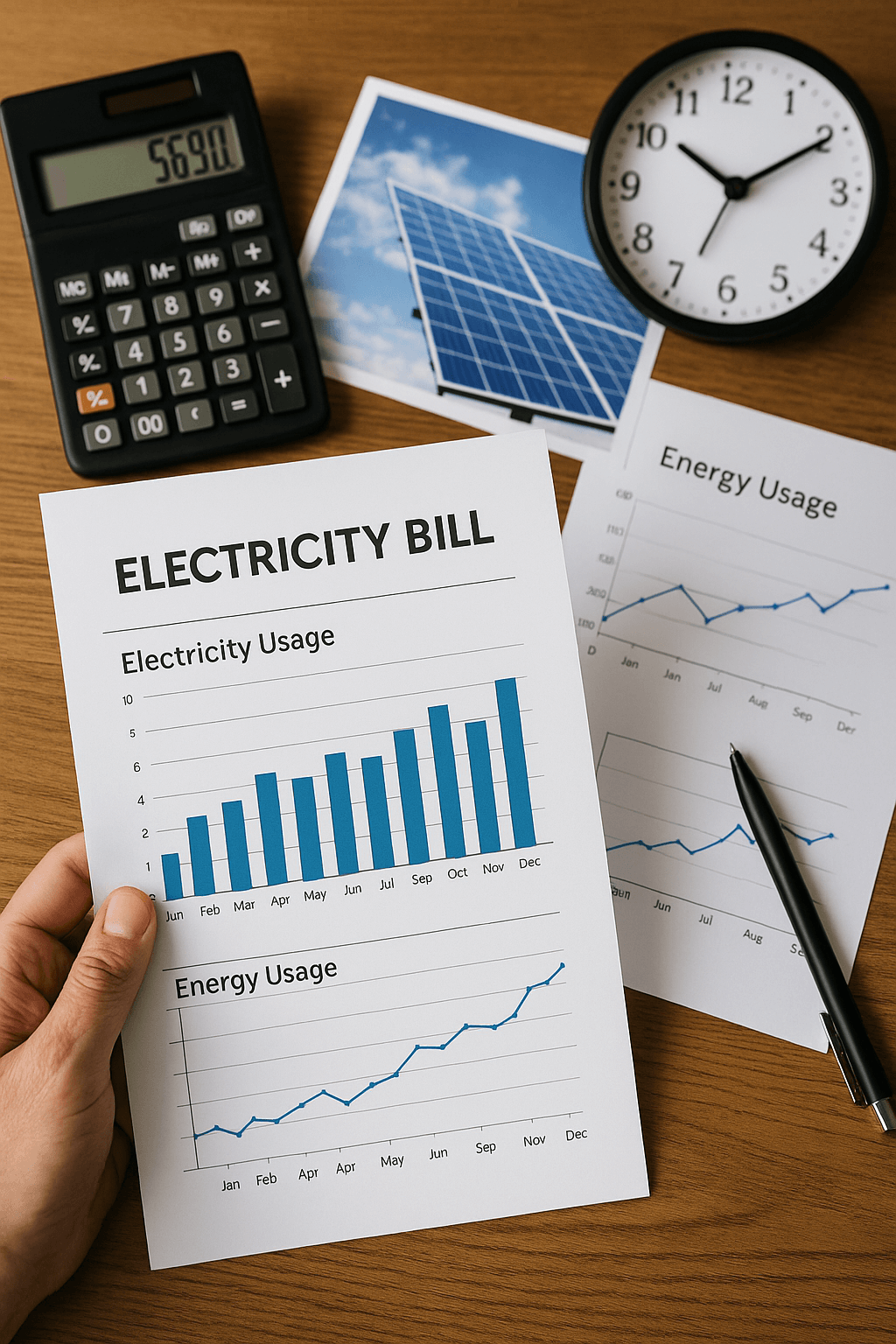
Review at least 12 months of electricity bills and consider when your power is used, not just how much.
How Solaverse helps: We analyse usage patterns and future plans so your system is designed to deliver meaningful savings, not just generation numbers.
Mistake #3: Ignoring Roof Condition and Shading
Your roof is the foundation of your solar system, yet it’s often treated as an afterthought.
Common problems include:
- Installing panels on roofs that need repairs shortly after
- Unexpected shading from trees or neighbouring buildings
- Poor panel placement due to complex roof layouts
Even partial shade can significantly reduce output if the system isn’t designed to manage it properly.
How to avoid it:
Ensure your roof is in good condition before installation and assess shading throughout the day, not just at one point in time.
Solaverse difference: We assess roof condition, layout, and shading properly and design systems that minimise performance losses.
Mistake #4: Installing the Wrong Inverter Type
The inverter is the brain of your solar system, and choosing the wrong type can limit performance and flexibility.
A poor match can lead to:
- Reduced output when one panel is shaded
- Limited monitoring and fault detection
- Complications when adding batteries later
Different homes suit different inverter technologies, there’s no universal “best” option.
How to avoid it:
Select an inverter based on roof layout, shading, and future plans, not just cost.
Solaverse approach: We recommend string inverters, microinverters, or power optimisers based on what actually suits your home.
Mistake #5: Not Planning for Batteries or EVs
Many homeowners assume they’ll add a battery or EV charger later, only to find their system isn’t ready for it.
Common issues include:
- Inverters that aren’t battery-compatible
- No allowance for future wiring or space
- Additional upgrade costs that could have been avoided
Even if storage isn’t part of your plan today, it’s becoming increasingly relevant as electricity prices rise.
How to avoid it:
Design your system with future upgrades in mind from the start.
With Solaverse: Our systems are planned to support batteries and EV charging when you’re ready, without unnecessary replacements.
Learn more about our EV Charger Installations.
Mistake #6: Falling for Unrealistic Savings Promises
If a quote promises near-zero bills without explaining how, it’s a red flag.
Overly optimistic projections often rely on:
- Unrealistic feed-in tariff assumptions
- Ignoring changes in household behaviour
- Overestimating system output year-round
When expectations don’t match reality, disappointment follows.
How to avoid it:
Look for clear, conservative savings estimates based on real data.
Solaverse philosophy: Honest advice first. We’d rather set realistic expectations than oversell solar’s benefits.
Mistake #7: Choosing an Installer Without Ongoing Support
Solar systems aren’t completely hands-off. Monitoring, firmware updates, and occasional maintenance all play a role in long-term performance.
Problems arise when installers:
- Disappear after installation
- Don’t assist with warranty claims
- Provide no system monitoring or follow-up
When something doesn’t look right, homeowners are often left unsure who to call.
Why Solaverse matters:
We provide ongoing support, system monitoring, and local service, so you’re never left guessing if your system is performing as it should.
Getting Solar Right From Day One
Most solar mistakes are avoidable with the right advice and planning.
By taking the time to:
- Understand your energy usage
- Prepare your roof properly
- Choose quality components
- Design for the future
- Work with a reputable installer
You significantly improve your chances of solar delivering real, long-term value.
If you’re planning solar or if your existing system isn’t performing as expected, Solaverse is here to help with honest advice and systems designed to work for the long run.
Solar works best when it’s done right the first time.
Our team reviews, installs, and optimises solar systems with a focus on real performance, not shortcuts. If you want honest advice backed by experience, we’re here to help.