What to Consider Before Getting Solar
A practical guide to making solar work for your home
Electricity prices keep rising, and solar feels like the obvious solution, but getting it wrong can cost you more than it saves.
The biggest mistakes we see aren’t about solar itself. They come from systems that were rushed, oversized, undersized, or never designed around how the household actually uses power.
Before you invest, it’s worth understanding what really affects performance, savings, and long-term value. Here are the key things worth considering and how getting them right makes a real difference to your savings and system performance.
1. Understand Your Energy Usage (Not Just Your Bill Total)
Solar works best when it’s designed around how your household uses electricity, not just how much you’re charged each quarter. Two homes with similar bills can need very different systems depending on usage patterns, lifestyle, and future plans.
Before installing solar, it’s important to look beyond the total dollar figure and understand what’s happening behind it.
What to look at before installing:
Review at least 12 months of electricity bills
Looking at a full year of bills helps identify seasonal trends, such as higher usage during summer cooling or winter heating. This gives a clearer picture of your true energy needs rather than relying on a single bill.
Identify when you use electricity
Daytime usage is especially important for solar, as this is when your system generates power. If most of your usage happens in the evening, system design and future battery planning become more critical.
Factor in upcoming lifestyle changes
Changes like working from home, adding an EV charger, installing a pool, upgrading air conditioning, or planning renovations can significantly increase electricity demand. Designing for today only can leave your system undersized tomorrow.
Your goals also play a big role in system design. Some households want to reduce bills as much as possible, others want greater energy independence, and some want a system that’s ready for batteries or EV charging down the track.
This is where Solaverse helps:
We take the time to assess your usage patterns, lifestyle, and future plans before recommending a system size. That way, you’re not overspending on capacity you won’t use, or installing a system that falls short of your needs.
2. Make Sure Your Roof Is Truly Solar-Ready
Your roof has a direct impact on how well your solar system performs, yet it’s one of the most commonly overlooked parts of the planning process. Even the best panels and inverters can underperform if they’re installed on a roof that isn’t properly assessed.
Key considerations include:
Roof condition:
If your roof is nearing the end of its life or needs repairs, it’s best to address this before installing solar. Removing and reinstalling panels later can be expensive and inconvenient, often costing far more than fixing the roof upfront.
Orientation & usable roof space:
North-facing roofs generally produce the highest output, but east- and west-facing roofs can still perform very well when the system is designed correctly. What matters most is how much usable space is available and how panels are positioned across different roof faces.
Shading throughout the day:
Shade doesn’t just come from large trees. Chimneys, roof vents, neighbouring buildings, and even future growth of vegetation can reduce output over time. Partial shading on one section of the roof can impact the entire system if it’s not designed to manage it.
Roof type and layout:
Tile, metal, flat, and more complex roof designs all require different mounting methods and installation approaches. Split rooflines, valleys, and multiple pitches can influence both system design and installation cost.
How Solaverse approaches this:
We don’t rely solely on aerial images or assumptions. Our team takes the time to properly assess your roof, layout, and shading and then designs a system that works with your home, not against it. The result is better performance, fewer surprises, and a system that’s built to last.
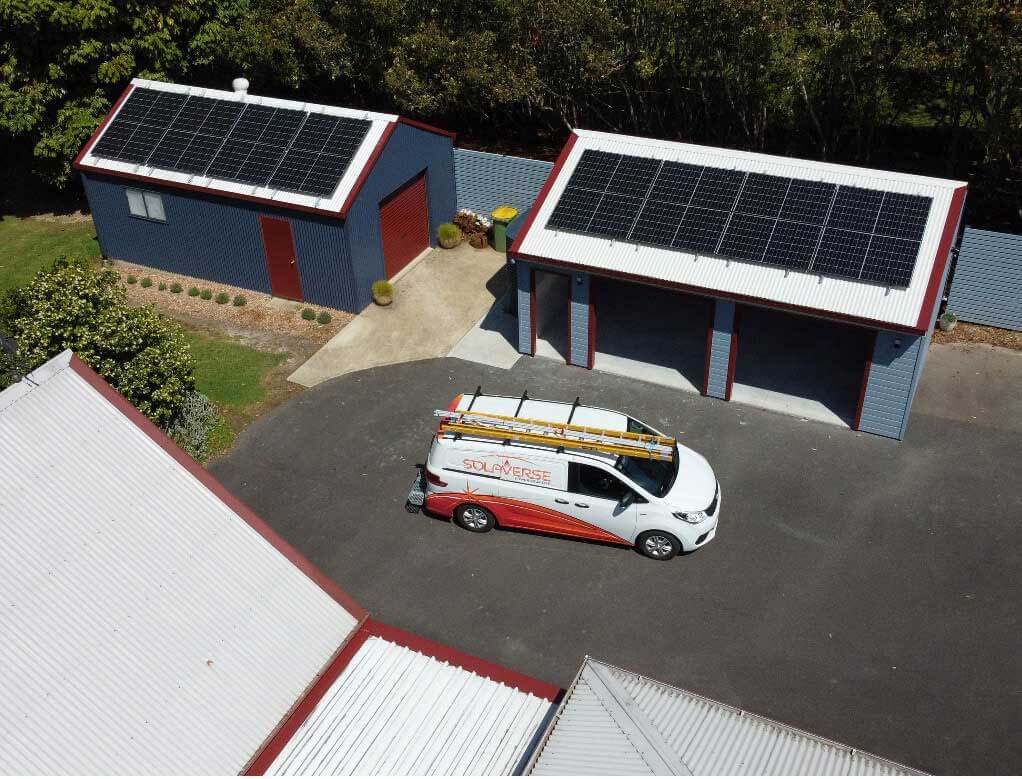
3. System Design Matters More Than Panel Count
It’s easy to assume that more panels automatically mean better savings, but in reality, system design plays a far bigger role than sheer size.
A well-designed solar system considers how your home uses energy, how your roof performs throughout the day, and how your needs may change in the future. When those factors are balanced properly, the system works efficiently, delivers better savings, and remains flexible as your lifestyle evolves.
The right solar setup balances:
- Your actual energy usage and daily consumption patterns
- The amount of usable roof space available
- Your budget and return on investment
- Long-term flexibility for batteries, EV charging, or future upgrades
Components to think about include:
Solar panels:
High-quality panels with strong efficiency ratings and long-term performance warranties (typically 25 years) help ensure consistent output over time, with minimal degradation year after year.
Inverters:
The inverter choice should suit your roof layout and shading conditions:
- String inverters are cost-effective and work well on simple, unshaded roofs
- Microinverters or power optimisers are better suited to complex or partially shaded layouts, helping maximise output from each panel
Battery readiness:
Even if a battery isn’t part of your plan today, designing the system to accommodate storage later can save significant upgrade costs down the track.
The Solaverse difference:
We design solar systems with the future in mind. That means thoughtful system layouts, compatible inverter choices, and the flexibility to add batteries or EV chargers later, without needing to start from scratch or replace major components.
4. Financials, Rebates & Realistic Savings
Solar can deliver excellent long-term savings but expectations need to be realistic.
Before installing, consider:
- Current government rebates and incentives
- Feed-in tariffs (which vary by retailer and change over time)
- How much energy you’ll self-consume vs export
- Payback period based on your usage, not generic averages
Be cautious of quotes that promise unrealistically fast payback or oversized systems “because rebates make it cheap.”
What Solaverse does differently:
We explain your expected savings clearly and conservatively, no inflated projections, no pressure tactics.
5. Choosing the Right Installer Is Just as Important as the Hardware
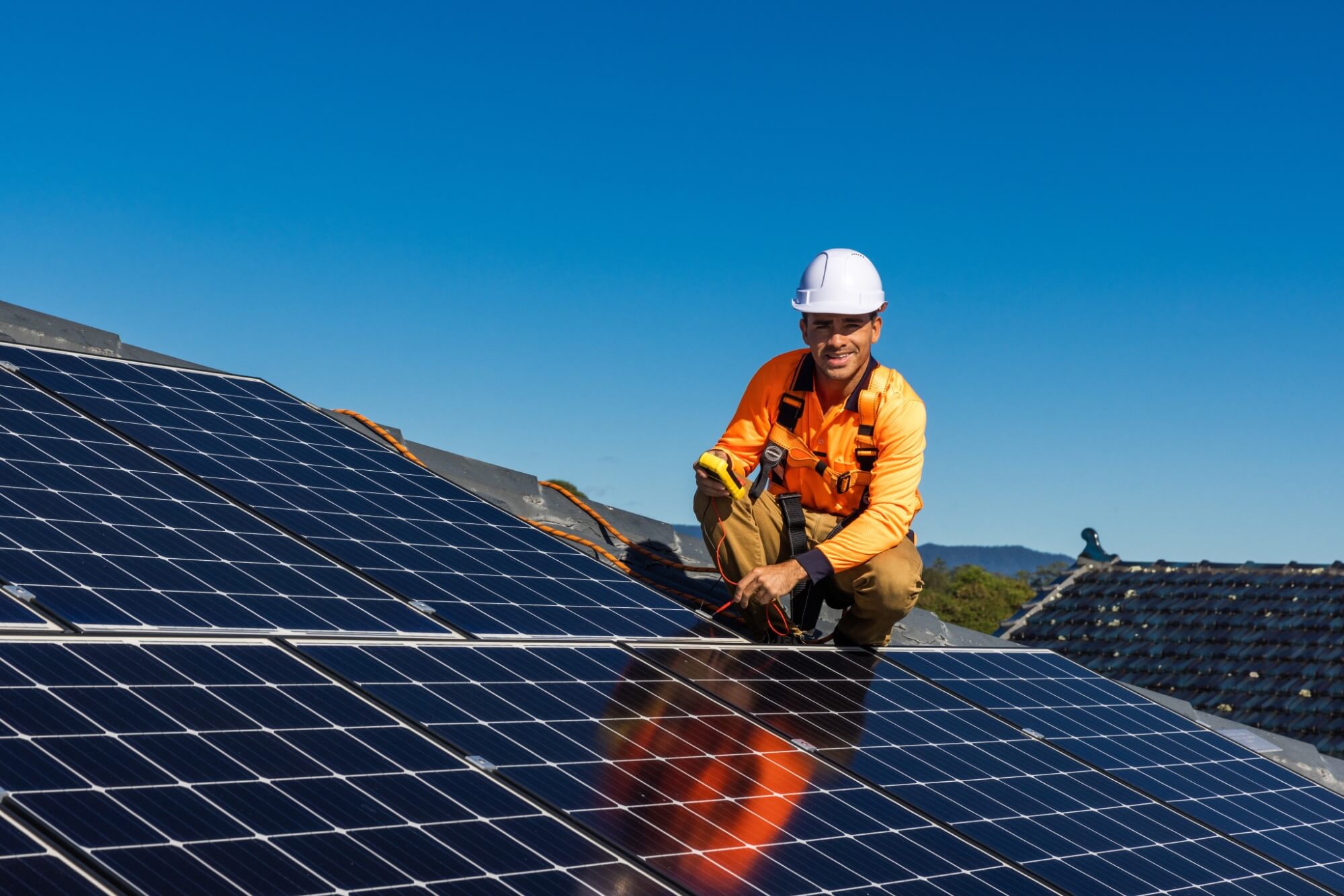
Solar performance isn’t just about the panels and inverter you choose, it’s also about how the system is installed, configured, and supported over time. Even premium components can underperform or fail early if the installation is rushed or poorly executed.
The installer you choose plays a major role in system safety, efficiency, and long-term reliability, so it’s worth looking beyond price and marketing claims.
When comparing installers, look for:
Clean Energy Council (CEC) accreditation
This ensures the installer meets industry standards, follows compliance requirements, and allows you to access government rebates.
Clear, itemised quotes
A good installer should explain what’s included, from components and system size through to installation, monitoring, and warranties with no vague line items or hidden extras.
Transparent warranties
It’s important to understand not just the manufacturer warranties on panels and inverters, but also the workmanship warranty that covers the installation itself.
End-to-end project management, including:
- Grid connection approvals and coordination with your energy provider
- Compliance paperwork and certifications
- System setup, testing, and commissioning
- Ongoing support after installation if something doesn’t look right
Without proper support, even small issues can become frustrating and costly to resolve.
With Solaverse:
We manage the entire process from start to finish, from system design and approvals through to installation, monitoring, and long-term support. And because we’re a local team, we’re here when you need us, not just on installation day.
Common Solar Mistakes That Cost Homeowners Money
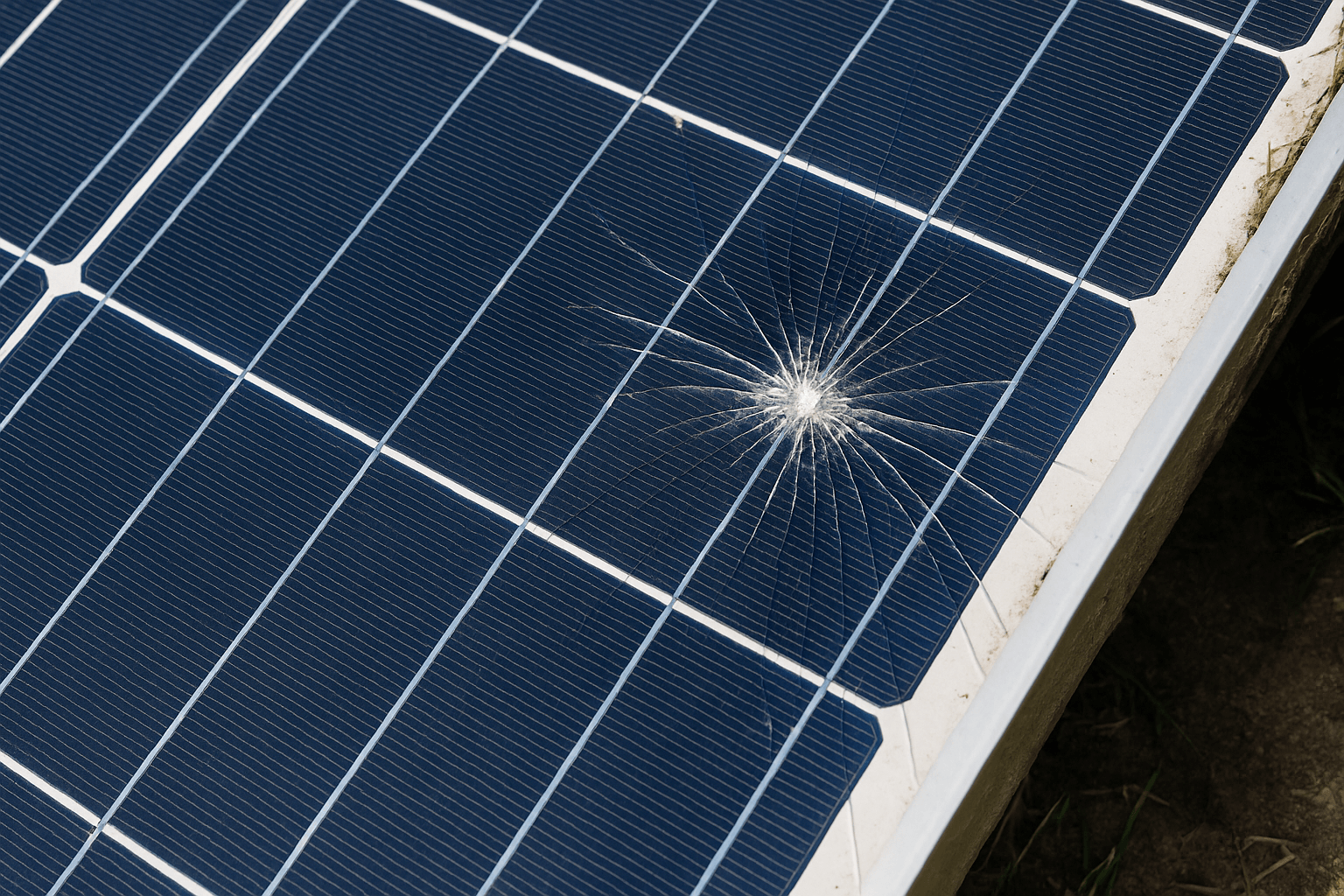
Many underperforming solar systems fail for the same reasons and they’re completely avoidable with the right advice.
Some of the most common mistakes include:
- Choosing system size based on price, not usage
- Ignoring shading and roof limitations
- Installing low-quality components to chase short-term savings
- Not planning for batteries or EVs
- Falling for unrealistic savings promises
Read our full breakdown here:
Common Solar Mistakes Homeowners Make (And How to Avoid Them)
Getting Solar That Actually Works
Solar should reduce stress, not create it.
By understanding your energy usage, preparing your home properly, choosing quality components, and working with an installer who designs systems around real-world use, you’ll get far better results and benefits over the life of your system.
At Solaverse, we don’t install solar for the sake of it. We design systems that work for your household now and still make sense years down the track.
If you’re thinking about solar and want honest advice before making a decision, our team is here to help.
ARE YOU READY TO POWER YOUR HOME WITH SOLAR?
Contact Solaverse today to get a full breakdown of pricing, system size, how we work & much more!