
Turning Sunshine Into Savings: How Solar Powers Your Home
Solar panels offer a simple and reliable way for Central Coast homeowners to generate clean electricity and reduce reliance on the traditional power grid. While the technology behind solar energy is advanced, the process itself is straightforward. A home solar system works by capturing sunlight, converting it into usable electricity, and delivering it straight into your home to power appliances, lighting, heating, and more.
Understanding how solar panels work helps you see the full value of installing a system — not just in terms of lowering your energy bills, but also in achieving greater energy independence and supporting a more sustainable future. With the Central Coast’s strong solar conditions and available government incentives, residential solar has never been a smarter investment.
In this step-by-step guide, we break down how solar panels transform sunlight into everyday savings, how your home uses solar energy, and how you can maximise the financial and environmental benefits from your system.
Step 1 – Capturing Sunlight
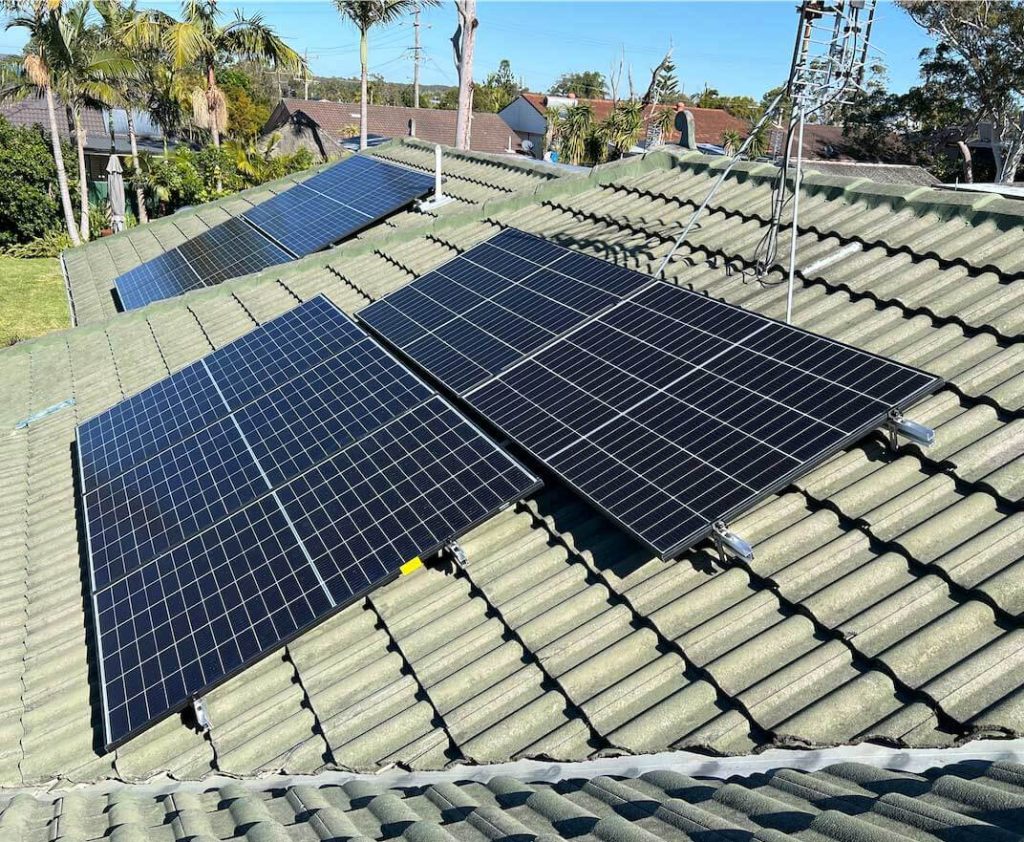
Solar panels, also known as photovoltaic (PV) panels, are designed to absorb sunlight. Each panel is made up of multiple solar cells that capture the sun’s energy and begin the conversion process. The stronger the sunlight, the more energy the panels can generate — making the Central Coast’s sunny conditions ideal for solar performance.
Solar panels are typically installed on rooftops to maximise exposure to direct sunlight throughout the day. Their positioning, angle, and orientation are carefully designed to capture as much energy as possible, even accounting for seasonal changes in the sun’s path.
Key points:
- Solar panels absorb sunlight through PV cells
- More sunlight = more electricity generation
- Works even on partly cloudy days, though at reduced efficiency
Step 2 – Converting Sunlight into Electricity
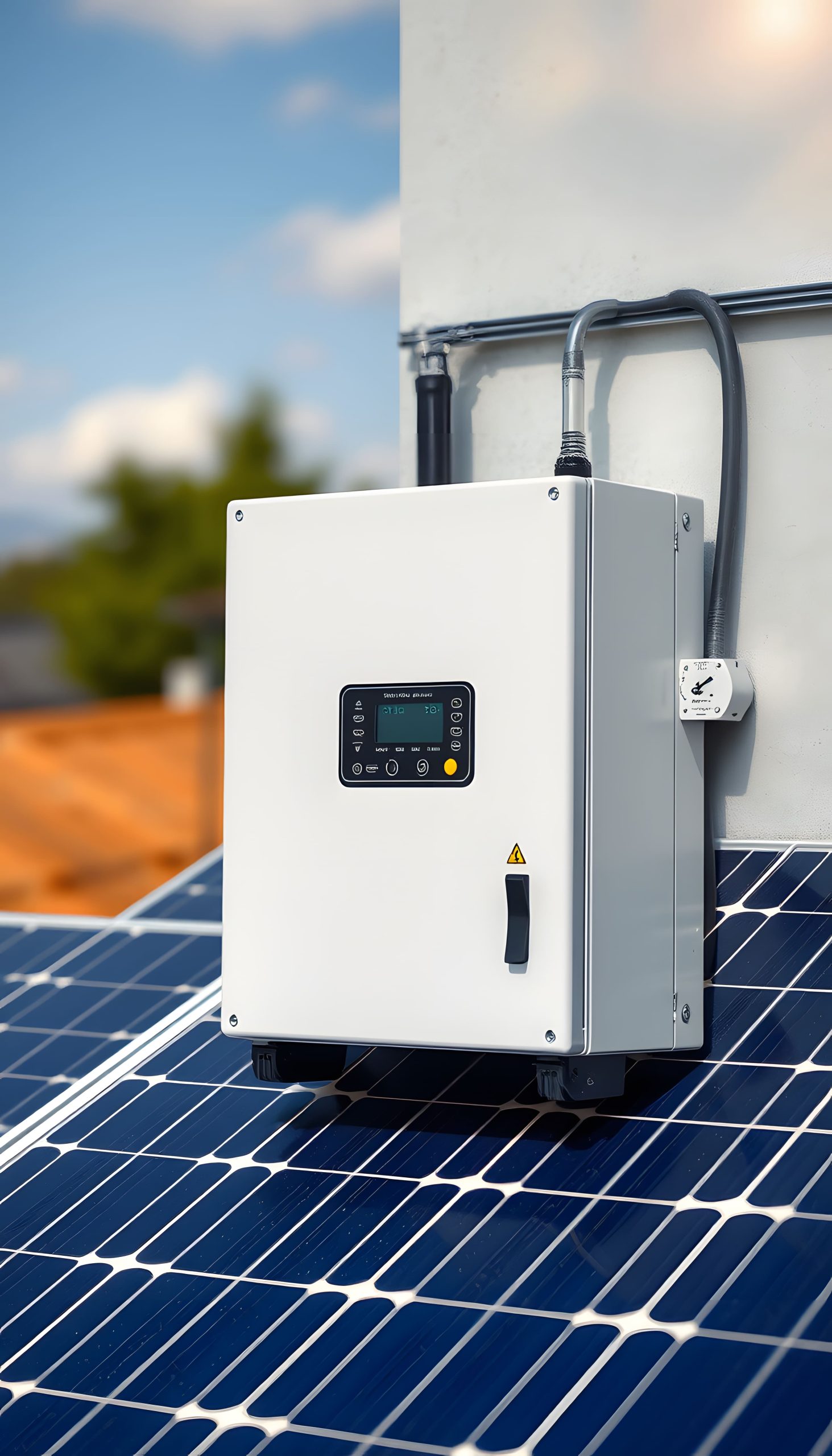
Once the panels capture sunlight, they convert it into direct current (DC) electricity. However, Australian homes and appliances run on alternating current (AC) electricity. To make the solar energy usable, the DC power travels to a device called an inverter, which efficiently converts it into AC electricity suitable for your home’s daily needs.
The inverter is a critical component of your solar system, acting as the bridge between the solar panels and your household energy supply. A high-quality inverter ensures minimal energy loss during the conversion process, helping you maximise the efficiency and reliability of your solar system over time.
Key points:
- Panels generate DC electricity
- Inverter converts DC into usable AC power
- High-quality inverters improve system efficiency

Step 3 – Powering Your Home
The AC electricity produced by your inverter powers your home immediately. Any appliances running during the day — like lighting, heating, cooling, or kitchen appliances — will use your solar electricity first, reducing the amount of power you need to draw from the grid.
Solar energy is automatically prioritised by your home’s electrical system, meaning you don’t need to manually switch between solar and grid power. By using more of your solar energy as it’s generated, you can significantly lower your daytime electricity costs and increase the financial benefits of your system.
Key points:
- Solar power is used directly by your home
- Reduces reliance on grid electricity
- Lowers daytime electricity costs
Step 4 – Exporting Excess Energy
If your solar panels produce more energy than your home needs during the day, the excess electricity can be sent back to the grid. Your energy retailer may pay you a feed-in tariff for each unit of electricity you export, providing an additional financial benefit that can help reduce your overall energy bill.
Feed-in tariffs vary between retailers, so it’s important to understand the rate you’re offered and how it complements your savings from self-consumption. While feed-in tariffs are generally lower than the cost of buying electricity, exporting surplus energy still contributes to a faster return on your solar investment.
Key points:
- Excess solar energy can be exported to the grid
- Earn credits through your retailer’s feed-in tariff
- Helps maximise the value of your solar investment

Step 5 – Storing Energy with Solar Batteries (Optional)
- Store unused solar energy for later use
- Use solar power at night or during outages
- Reduce reliance on the grid even further
Why Quality Solar Systems Matter
A high-quality solar system, installed by accredited professionals, ensures your panels, inverter, and any batteries work together efficiently and reliably. Choosing trusted brands and expert installation protects your investment, maximises your energy savings, and extends the lifespan of your system.
Lower quality products or poorly installed systems can lead to underperformance, unexpected repairs, or even safety risks over time. By partnering with experienced, accredited installers and selecting proven technology, you can feel confident that your system will deliver consistent, trouble-free performance for many years to come — with strong manufacturer warranties providing added peace of mind.
Key points:
- Quality panels and inverters improve system efficiency and output
- Accredited installation ensures safety, compliance, and long-term system reliability
- Reliable systems deliver stronger savings and better return on investment over the system’s life
Learn More About Solar for Your Home
Take the next step toward lower energy bills, greater energy independence, and a cleaner, more sustainable future. Solaverse makes it easy to explore your solar options with tailored advice based on your home, energy usage, and goals. Whether you’re ready to install or simply want expert guidance on what’s possible, our team is here to help.
Contact Solaverse today to arrange your free, no-obligation solar consultation. Find out how much you could save — and how simple it is to get started.
Get in touch
Receive a free proposal for your home or business today. Let our expertise be your saving—harness the power of the sun with Solaverse.